
AZ Speaks Presentation Catalog
Filters
Category
Speaker Name
Sort by
Arizona/Southwest History
Mapping the Hidden Landscape of LGBTQ+ Arizona
Like many marginalized communities, LGBTQ+ communities are often invisible on official maps. But what happens when we start to illuminate the “invisible map” of LGBTQ+ Arizona? And how does it change our understanding of our state? Join David Boyles as we map LGBTQ+ Arizona. We will visit contemporary places such as Phoenix’s Melrose District and Bisbee’s nationally-renowned Pride celebration. But we will also visit nearly-forgotten places like Adobeland, a radical lesbian commune that sprung up in the desert outside Tucson in the 1970s, and the Sri Ram Ashram in Benson, birthplace of the influential spiritual movement the Radical Faeries. We will look at how contemporary scholars are using archives to reconstruct the map of LGBTQ+ Arizona, tracing the physical history of Pride parades and other celebrations and the opening and closing of bars, coffee shops, and other spaces. And we will discuss the importance of preserving the history of our communities to ensure that their place on the maps of the future.

Environmental Humanities
Arizona’s Energy Landscapes: Pasts, Presents, and Futures
The energy landscape of Arizona has evolved over decades to support over 7 million people across the state, integrating rural, Tribal, and urban needs to power thriving economies throughout the state. Arizona has evolved large scale energy policies and systems around coal, nuclear, and solar energy, making it one of the most energy-diverse states in the Southwest. However, the production and distribution of those systems had left indelible legacies on the landscapes and communities of Arizona. This talk will look at Arizona’s energy history, examining the values and policies that have shaped the energy landscape, and discuss how different stakeholders promote present-day goals and visions for Arizona’s energy futures.

Arizona/Southwest History
A Guided Tour of Arizona’s Day of the Dead
Día de los Muertos, or Day of the Dead, has become a major public fiesta throughout Arizona. Celebrations of the holiday give communities, families, and individuals an opportunity to honor their dearly departed, confront mortality, and collectively carry the burden of grief. Day of the Dead also allows Arizonans from all walks of life to experience a beautiful and colorful outpouring of Latin American music, dance, art, and cultural heritage. Join award-winning professor and storyteller, Dr. Mathew Sandoval, for a journey into understanding the history and significance of Día de los Muertos. His multimedia presentation is filled with sights and sounds from holiday celebrations across Arizona. He’ll illustrate the different ways this cultural tradition is observed across the state, and he’ll explain what makes Day of the Dead celebrations in Arizona distinct from other fiestas in the US Southwest and Mexico.

Arizona/Southwest History
Technicolor to Desert Truth: The Living Landscape of Arizona
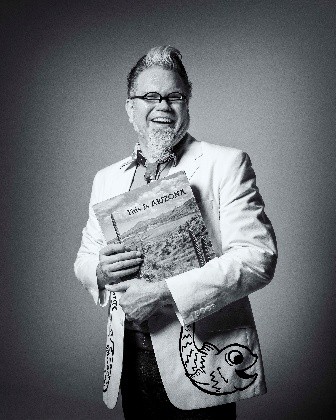
Step through Hollywood’s velvet curtain and explore the Arizona landscape as more than just a picturesque backdrop for silver-screen icons. Discover a living, breathing Arizona built by hands too long left out of the script. In this multi-media presentation, the Hip Historian pulls back the cinematic veneer to reveal the often overlooked tapestry of communities that truly shaped the desert. Journey from the myth-making machinery of mid-century film to highlighting some of Arizona’s resilient roots of Navajo peach orchards, Japanese flower gardens, Chicano music bridging entertainment and activism, and other journeys of Arizona grit.
Arizona/Southwest History
Charles Lindbergh’s Arizona Legacy
As the world celebrates the centennial of Charles Lindbergh's historic solo flight across the Atlantic Ocean in 1927, it is an ideal time to explore the famed aviator's remarkable connections to Arizona. While Lindbergh is best remembered for flying the Spirit of St. Louis from New York to Paris, his influence extended far beyond that celebrated achievement and left a lasting mark on the Grand Canyon State. This program examines Lindbergh's Arizona story, starting with his memories of visiting Meteor Crater as a young man and including his September 23, 1927, visit to Tucson, just months after his transatlantic triumph. Landing the Spirit of St. Louis at the city's new municipal airfield, he was greeted by nearly 20,000 enthusiastic spectators, honored with a parade, and presented with a life-size cactus replica of his aircraft known as the Spirit of Tucson. The presentation also explores Lindbergh's role in advancing commercial aviation in Arizona, including helping map air routes and establish early airfields in communities such as Winslow and Kingman. In 1929, he and his wife, Anne Morrow Lindbergh, pioneered aerial photography of prehistoric Native American ruins and cliff dwellings across northern Arizona and the Four Corners region, contributing to archaeological research.

Arizona/Southwest History
Environmental Humanities
Gathering Points: Cultural Geography on the Colorado Plateau
Kinłání & Kingman;
Sedona & Seligman;
Tuba City & Kachina Village;
Winslow & Williams;
Glen Canyon & Grand Canyon.
For millennia, these sites—and many more across the Colorado Plateau—have served as gathering points: physical, cultural, and storied. Drawing from the Northern Arizona Book Festival's literary field guide, Gathering Points, Lenhart considers how literature can become a form of cultural geography. With each poem or short prose piece geolocated to an exact latitude and longitude, the project calls its readers to community. These works trace the shapes of dilapidated houses, river-bend rescues, dark-sky trailheads, sacred mountain silhouettes, KTNN feed lines, USPS mail routes, craggy ash fields, water-drinking sinkholes, and the burled bark of ponderosa pines. This talk explores the possibilities—and responsibilities—of writing from place, and of using creative writing, GIS mapping, and creative placemaking to make visible the relationships between landscape and story.

Arizona/Southwest History
Music
From Ireland to Arizona: Music, Memory, and the Making of Home
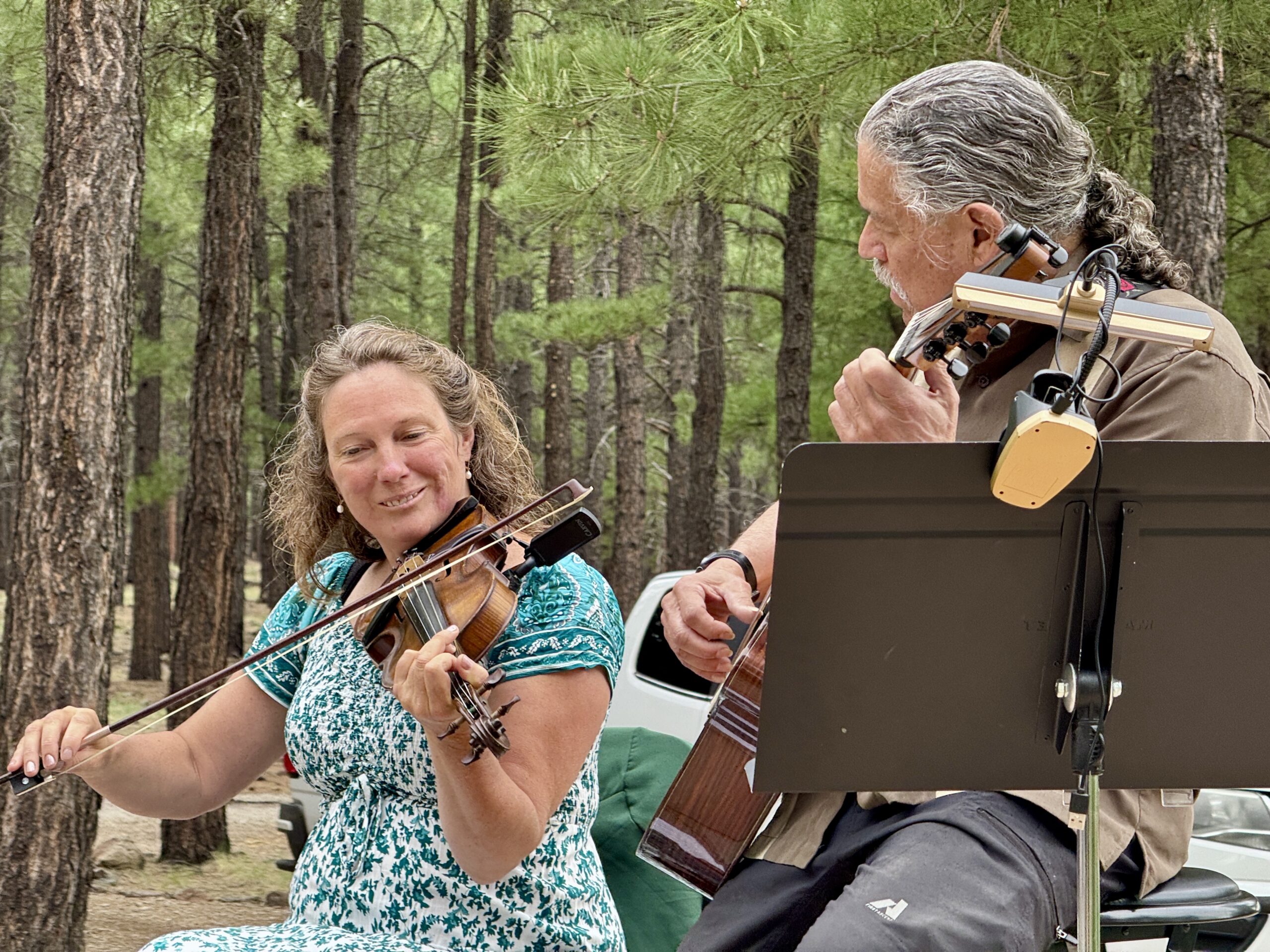
What does it mean to carry a sense of home across an ocean and into an entirely new landscape? Through historical images, storytelling, live music and dance, Dr. Kate Rose and Armand Ramirez explore the little-known story of the Irish in Arizona and the universal experience of creating belonging in a new land through music. Drawing on Dr. Rose's background as an Irish fiddler and her original research behind the Wild West Fiddle Project, From Ireland to Arizona uses the Irish experience as a window into a much broader Arizona story involving Native, Hispanic, and later settler populations from many parts of the world. We explore how the intermingling of communities translated into a new soundscape echoing off the canyons, roaring with the rivers, and tumbling over the deserts of a new Arizona. The presentation follows remarkable figures such as Hugo O'Conor, Nellie Cashman, and Ned White while weaving together Irish and Southwestern folklore and traditional fiddle music. Participants explore how Ireland's landscapes inspired its music, how those traditions changed in Arizona, and how Irish melodies conversed with Hispanic rhythms in a time before recorded music, when communities needed each other. Combining original humanities research, musical virtuosity, and joyful participation, this lively program celebrates the ways people, places, and traditions continually shape one another across generations.
Speaker is fully booked for 2026/27 cycle. Presentation no longer available for bookings.
Arizona/Southwest History
Charles Lindbergh’s Arizona Legacy
As the world celebrates the centennial of Charles Lindbergh's historic solo flight across the Atlantic Ocean in 1927, it is an ideal time to explore the famed aviator's remarkable connections to Arizona. While Lindbergh is best remembered for flying the Spirit of St. Louis from New York to Paris, his influence extended far beyond that celebrated achievement and left a lasting mark on the Grand Canyon State. This program examines Lindbergh's Arizona story, starting with his memories of visiting Meteor Crater as a young man and including his September 23, 1927, visit to Tucson, just months after his transatlantic triumph. Landing the Spirit of St. Louis at the city's new municipal airfield, he was greeted by nearly 20,000 enthusiastic spectators, honored with a parade, and presented with a life-size cactus replica of his aircraft known as the Spirit of Tucson. The presentation also explores Lindbergh's role in advancing commercial aviation in Arizona, including helping map air routes and establish early airfields in communities such as Winslow and Kingman. In 1929, he and his wife, Anne Morrow Lindbergh, pioneered aerial photography of prehistoric Native American ruins and cliff dwellings across northern Arizona and the Four Corners region, contributing to archaeological research.
Arizona/Southwest History
Art/Art History
Artist Talk
Celestial Messengers: Time Travelers Across Arizona’s Living Landscapes
How do we explore the desert as a living archive where past, present, and future converge? Artist Joe Ray’s work is rooted in perspectives shaped by Arizona and the US/Mexico border. His art is a blend of symbolism and storytelling combined with bold, colorful visuals. He brings to life his ancestral figures, cosmic storytellers rooted in Mesoamerican knowledge, who venture into our modern world to see what their descendants are up to, and whether we’re keeping our end of an eternal bargain. Join us for an artist talk that reveals Arizona as a historic crossroads where, for thousands of years, cultures have exchanged goods, stories, and spiritual practices.

Arizona/Southwest History
Foodways
Indigenous Culture
Living Landscapes: Food, Memory, and the Sonoran Desert
Chef and Artist Jeffrey Lazos Ferns invites you to explore Arizona’s Indigenous Foodways and the Sonoran Desert as a living archive of cultural knowledge, focusing on how Indigenous foodways and ecological relationships have shaped Arizona communities over generations. Through stories of indigenous plants, including the Sonoran Desert tree pantry, Sonoran Desert cactus pantry, and the Sonoran Desert shrub apothecary, the presentation highlights how plant, food, and wildlife traditions are deeply tied to land, identity, and survival. Ferns connects desert ecology to themes of history, migration, and cultural resilience. Audiences will see Arizona’s landscapes not as passive settings but as active forces shaping community life, offering insight into sustainable practices and cultural continuity in the face of environmental change.
Note: This presentation will include tasting samples from the Sonoran Desert plant scape.

Arizona/Southwest History
(Mother) Road to the Stars: Rt 66 and its Space Heritage
Route 66 is one of the most storied roadways in North America, known for its roadside diners, historic hotels and kitschy attractions. But it also boasts an extraordinary space heritage; along its course lies the birthplaces of space pioneers, centers of space exploration and discovery, training grounds for Moon-bound astronauts, the best-preserved asteroid impact site in the world, site of a famous UFO sighting, and museums celebrating these cosmic connections. In honor of the upcoming centennial of Route 66, Lowell Observatory Historian Kevin Schindler will lead a virtual trip along the Mother Road and explore this space heritage.
Environmental Humanities
Humanities in Contemporary Issues
Indigenous Culture
Jurisprudence/Justice Studies
Water, Sovereignty, and Survival: Understanding Tribal Water Rights in Arizona
Water has always been at the heart of life and survival in the desert Southwest. This presentation explores the history, law and ongoing significance of Tribal water rights in Arizona. Presenter Cora Tso will trace the evolution of Tribal water law and policy—from early court battles and landmark settlements to present-day efforts to protect and manage these critical resources. Participants will gain insight into how Tribal nations are shaping Arizona’s water future, environmental stewardship, Tribal nation-building and sovereignty in a time of scarcity and change.

Arizona/Southwest History
Environmental Humanities
Foodways
Arizona’s Ark of Taste Foods
Chef and Cultural Anthropologist Amber Sampson brings you on a journey of taste around Arizona's heritage food history. Sampson will expand on Arizona's Ark of Taste, a living catalog of foods facing extinction, including the local, heritage, and native foods that are unique to Arizona's food history. Come learn about favorites, like White Sonora Wheat, teapry beans, and Ark of Taste foods like Black Sphinx dates, cholla buds, chilitipin pepper, and more. In learning about Arizona's food history, the people, producers, communities, and cultures behind each bite, you can better support your local food community and create a more sustainable food system.
Note: This presentation will include Sonoran foraged tea for the audience to enjoy as part of the experience. Please make sure this is okay for your site to have. The presentation can be done without it as well.

Arizona/Southwest History
Artist Talk
Music
The Wild West Fiddle Project: Arizona’s Hidden Soundscape
Join Dr. Kate Rose and Armand Ramirez for a lively, all-ages interactive performance exploring Arizona's rich musical heritage through traditional folk music, dance, and storytelling. Featuring live fiddle and guitar, this engaging program reveals how musicians from Celtic, Hispanic, and other traditions adapted their music to new landscapes, exchanged ideas with neighboring communities, and created distinctive regional styles. Along the way, you'll hear revived Arizona tunes, discover the stories behind them, and even have the chance to join in. Experience how music reflects the beauty of Arizona's open skies, deep canyons, and vast forests while celebrating the cultural connections that continue to shape our state today.
Speaker is fully booked for 2026/27 cycle. Presentation no longer available for bookings.
Artist Talk
Indigenous Culture
Living the Mesquite Life
From birth to death, the mesquite tree, here in southwest, is an integral part of life for many who call the desert home. The mesquite tree is just one of many holistic materials, elements of our natural environment, that are vital to sustaining Indigenous culture and practices. We will explore how we are related to the mesquite tree from when we begin life, to maintaining the lifestyle of organics, until death when we go.
Note: This presentation will include a hands-on activity with organic materials and commercial clay for a better understanding of the mesquite tree’s basic utilitarian usage. This presentation can also be done without the hands-on activity.

Artist Talk
Poetry
Wellness
Listening to the Stories of Landscape
How do we know this land beneath our feet, wheels, or prosthesis? How can we locate and listen to nature in cityscape as well as in the wild? There is a dicho, “¿Y dónde está tu ombligo?” A saying literally translated as, “Where is your bellybutton?” But the dicho means, “Where are you centered or rooted?” No matter where we are, the land is alive. Through poetry readings, activities, and discussion, we will engage creatively with the ground beneath our bodies

Arizona/Southwest History
Environmental Humanities
The Arizona Trail: An 850-mile Mountain Bike Exploration of Climate Change
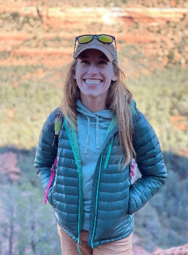
Along the 850-mile Arizona Trail, which spans the length of the state from Utah to Mexico, diverse ecosystems showcase how climate change is actively altering life as we know it across the Southwest. During fall 2025, The Arizona Republic newspaper’s climate reporter, who earned a Ph.D. in ecology before becoming an award-winning journalist, spent seven weeks traveling the full trail on her mountain bike to witness these threats, document their impacts, and consult with experts on solutions. Rich with photos and video from the journey as well as scientific expertise and cultural context, this presentation takes audiences through the state’s biggest environmental challenges and opportunities, mile by mile. From the northern forests torched by a massive fire that closed parts of Grand Canyon National Park in 2025, to the longstanding drought causing conflict with tribes on the slopes of the San Francisco peaks, to the energy solutions underway in the Superstition Mountains, to the humanitarian urgency for answers illuminated at the border with Mexico – Joan Meiners’ trail journey is a scenic and dynamic window into some of Arizona’s most pressing problems, told from the frontlines of journalistic exploration through literal living landscapes.
Arizona/Southwest History
Artist Talk
Environmental Humanities
Storytelling
Our River Stories: The Gila and the Salt
Join Zarco for a series of stories that share the vibrant and tragic history of water and the River People, over a 2,000 year period. Beginning with the Toltec trade route that brought agriculture and corn to the Southwest. The history of the O’Odham before and after the expansion west is revealed. We learn about the Yaqui Indians who fled persecution and found refuge in Arizona rebuilding the ancient canal system. A descendant of the first Mormon settlers tells his families’ story of finding an oasis in the desert given to them by God and their determination to tame the mighty Salt River. Our story culminates when an endearing elderly woman shares the hope that there still is to protect our water resources and to right the wrongs committed against the land and its River People.
Only available for bookings that are in the Greater Phoenix area.

Arizona/Southwest History
Artist Talk
Foodways
Indigenous Culture
Storytelling
The Gift of Hunger and Turkey in Diné Foodways
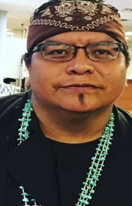
Stories of Diné food traditions, both before and after first contact, reveal deep connections between sustenance, survival, and spirit. These include the story of the Nayee' (monster) hunger and how Turkey saved the precious agricultural seeds. Today, emerging Diné foodways seek to revive these enduring traditions—resurging what has faded, while striving to elevate and innovate within the global culinary landscape. Through storytelling and food, join Mario on this journey of Diné food traditions.
Note: This presentation will include soup for the audience to enjoy as part of the experience. Please make sure this is okay for your site to have. The presentation can be done without it as well.
Arizona/Southwest History
Artist Talk
Rooted in Place: Identity, Home & the Canvas of Community Change
This presentation invites audiences into the vibrant world of Phoenix-born artist Antoinette Cauley, whose powerful murals and community activism are deeply shaped by her connection to place. Through personal storytelling, striking visuals, and reflection on her journey of self-discovery, Cauley explores how understanding her identity and hometown became the foundation for her art and her impact on Arizona’s cultural landscape. This talk reveals how place-based identity transforms not only individual expression but also entire communities — turning city walls into living landscapes of heritage, resilience, and hope.

Arizona/Southwest History
Artist Talk
Indigenous Culture
Grounded: Creating with Land in Contemporary Native American Art
Can we think of a 21st century Arizona through expressions of place inherent in Arizona’s Indigenous arts? In this presentation, I focus on the representation of place that Indigenous artists in Arizona are making in their art. From jewelry, to weaving, to photography, the lived landscape features prominently in Indigenous art. These expressions signify place, culture, tradition, and national aspirations. As a Diné jeweler with decades of experience in Native art spaces, I will demonstrate how the stones and materials connect us to our national homelands in Diné bikeyah and are also a representation of longstanding trade routes between tribes in the southwest. I will show how corn – represented in culture and art – is also a product of trade, and how Diné rugs are intimately linked to the land, including the wool and dye that comprise it. These are all examples of placemaking in Native Arizona. Ultimately, Native space is not limited to today’s boundaries but are expressions of kinship and reciprocity to the land and non-human entities that also inhabit it. Indigenous art in Arizona confounds our understanding of Arizona. Art is not just a reflection of what is there, but an imagined sense of what is possible.

Arizona/Southwest History
Foodways
Indigenous Culture
Growing in the Desert: The History & Culture of the Tohono O’odham
Many Arizonans call the Sonoran Desert and its striking landscapes home. Long before our urban centers and city lights lit up the dark desert skies, the Tohono O’odham were cultivating and shaping the land with abundant agriculture—from squash and beans to corn and cotton. For generations they passed down their rich knowledge and culture grown from their connection to the desert. Join us for a program with Jacelle Ramon-Sauberan as she shares her knowledge about the history and culture of her people, the Tohono O’odham.

Arizona/Southwest History
Borderland & Immigration
Humanities in Contemporary Issues
Arizona and Immigration: Perspectives and Policy Considerations
Arizona’s position on the US southern border has placed it at ground zero in an ongoing immigration crisis that continues to incite often ugly arguments. The arguments are not new in character or content. The size and persistence of the surge at the border is new, however. The US Border Patrol reported more than two million encounters along the US/Mexico border in fiscal 2023. The surge and the humanitarian crisis it has created, along with an estimated 11 million unauthorized immigrants in the United States, demand popular attention. This presentation briefly reviews the immigration crisis and its impact and invites reflection on how we, the people, in Arizona might best think about border and immigration policy.

Arizona/Southwest History
Environmental Humanities
Philosophy
Getting Deeper into the Grand Canyon and Other Natural Wonders
Why are we drawn to such places as the Grand Canyon? Why are people moved to travel from all around the world to visit and explore them? In this presentation, we will discuss people’s relationship with the natural landscape with a particular focus on some of Arizona’s most iconic locations. What are the ethical implications of our encounters with these natural wonders? What can philosophy teach us about the interaction between humanity, beauty, and sublime nature?
